
Strength training for bone density.
Strength training for osteoporosis at E Studio is a slow-motion, controlled-load resistance program designed to apply the mechanical stimulus that bone needs to remodel, without the impact or momentum that risk fracture. Thirty minutes once a week, supervised one-on-one, in our private downtown Santa Rosa studio.
- ✔ Bone responds to mechanical load. Resistance training is the primary evidence-based bone-density intervention per the NIH and Mayo Clinic.
- ✔ Slow tempo + supervised HIT = much lower peak force on soft tissue than fast repetitions. With the additional benefit of increased muscular loading.
- ✔ SuperSlow originated in an osteoporosis study at the University of Florida. We have used it exclusively at E Studio since 2005.
Bone remodels under load.
Bone is living tissue. When it experiences regular mechanical loading, it lays down more matrix and gets denser. When it does not, it slowly thins. The NIH's guidance on exercise and bone health is direct: weight-bearing and resistance exercise are the two interventions with the best evidence behind them.
The challenge with traditional gym lifting is that the same forces that load the bone also create high peaks of impact and shearing force at the joint. With osteopenia or osteoporosis, that peak is the part to worry about. Read our deeper post on resistance training for osteoporosis.
SuperSlow was actually born out of an osteoporosis study. Ken Hutchins, who developed the protocol, was working with researchers at the University of Florida who needed a way to apply resistance to older subjects' bones without risking fracture. The slow-tempo solution stuck.
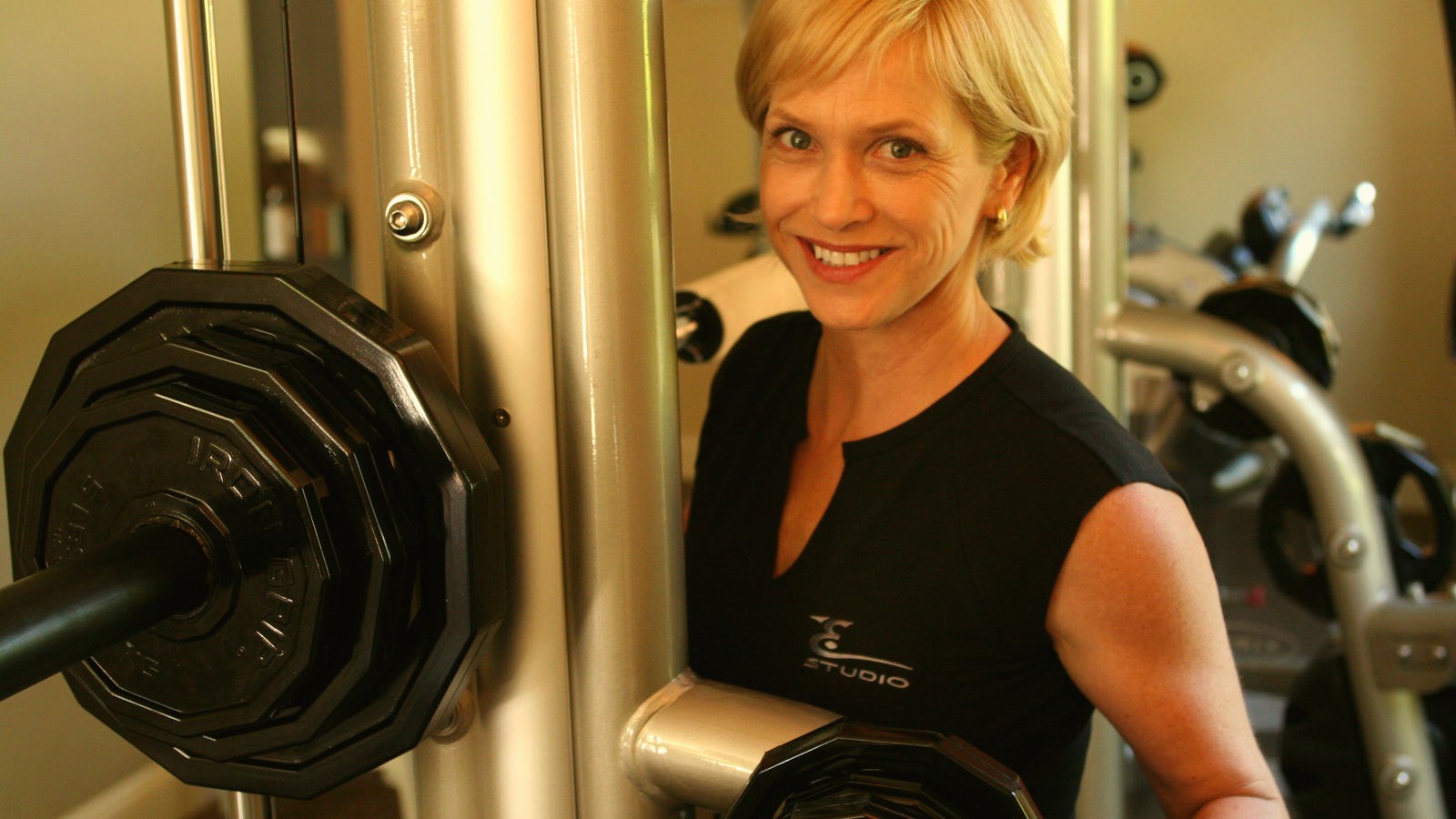
Real, measurable change
without the fracture risk.
- i.Strength gains on the machines are typically measurable in three to four weeks.
- ii.Posture and balance often improve within the first month.
- iii.Improved strength and stamina in functional ability within 2-3 months.
- iv.Bone density changes typically show on a DEXA scan one to two years into consistent training.
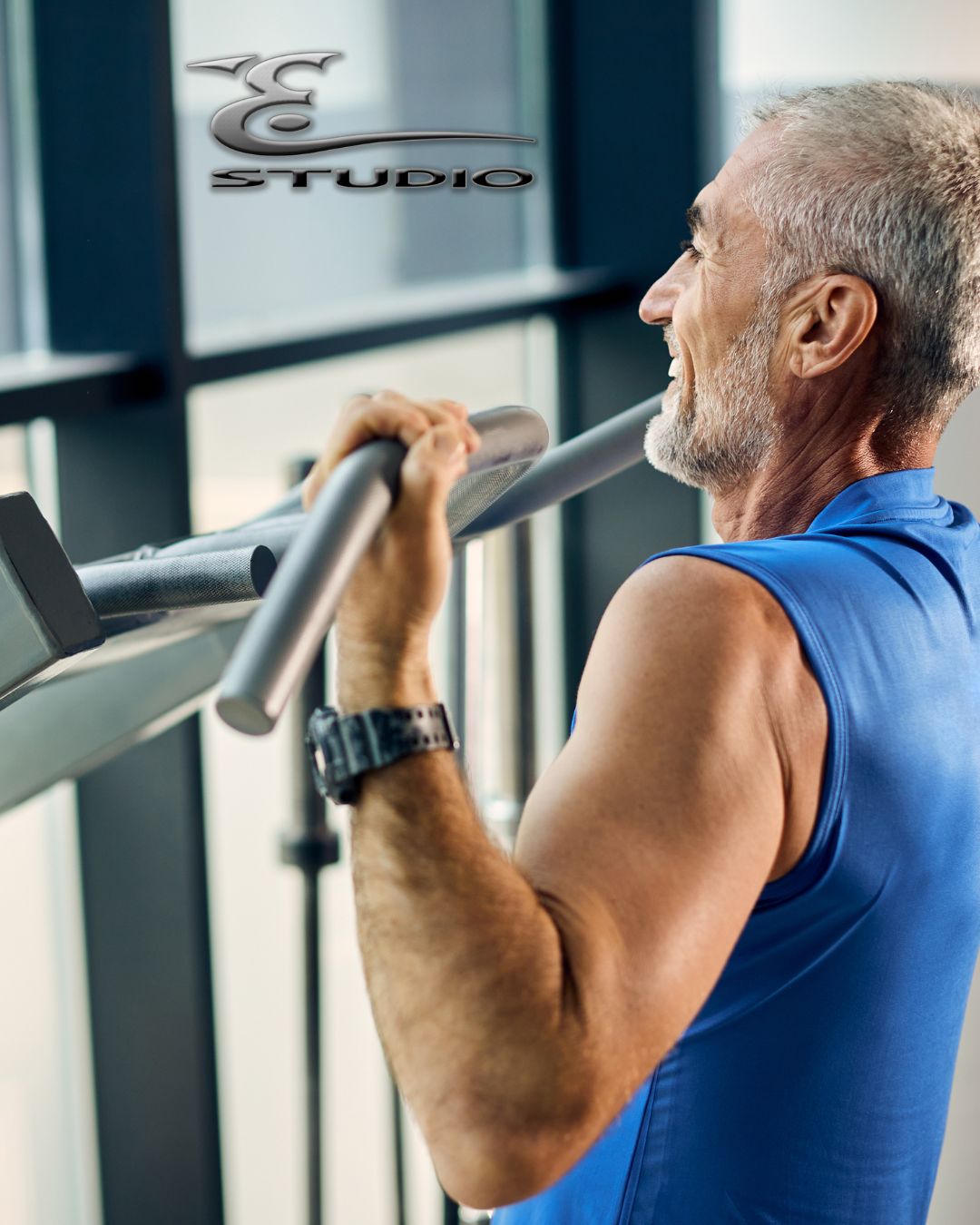
Physician-referred,
since 2005.
Many of our long-term clients were referred by their doctor. Family physicians, orthopedists, and rheumatologists in Sonoma County have been referring clients to E Studio for bone-density work for over two decades. We feel honored to be trusted with the patients of our local health care providers, so our number one priority is to always keep you safe.
Our trainers, all certified through the High Intensity Training Guild, have a combined 55+ years of floor experience between them. The owners have an additional 60+ years of experience. Together, our team has seen just about everything, but we never take anything for granted. We understand that every client is unique and we give the individualized attention that you deserve.
Osteoporosis FAQ.
Common questions from clients with osteopenia, osteoporosis, or post-fracture concerns.
Book your free session →Can strength training really improve bone density?
Is heavy lifting safe with osteoporosis?
Has my doctor heard of this?
How quickly will I see bone density change?
What if I have already had a fracture?
Programs that often pair with osteoporosis work.
Sarcopenia and bone loss travel together. Strength training addresses both at once.
Senior training →Menopause accelerates bone loss. The first decade after is the most important window.
Women 50+ training →If you are coming out of physical therapy after a fracture, this is the natural next step.
Post-PT training →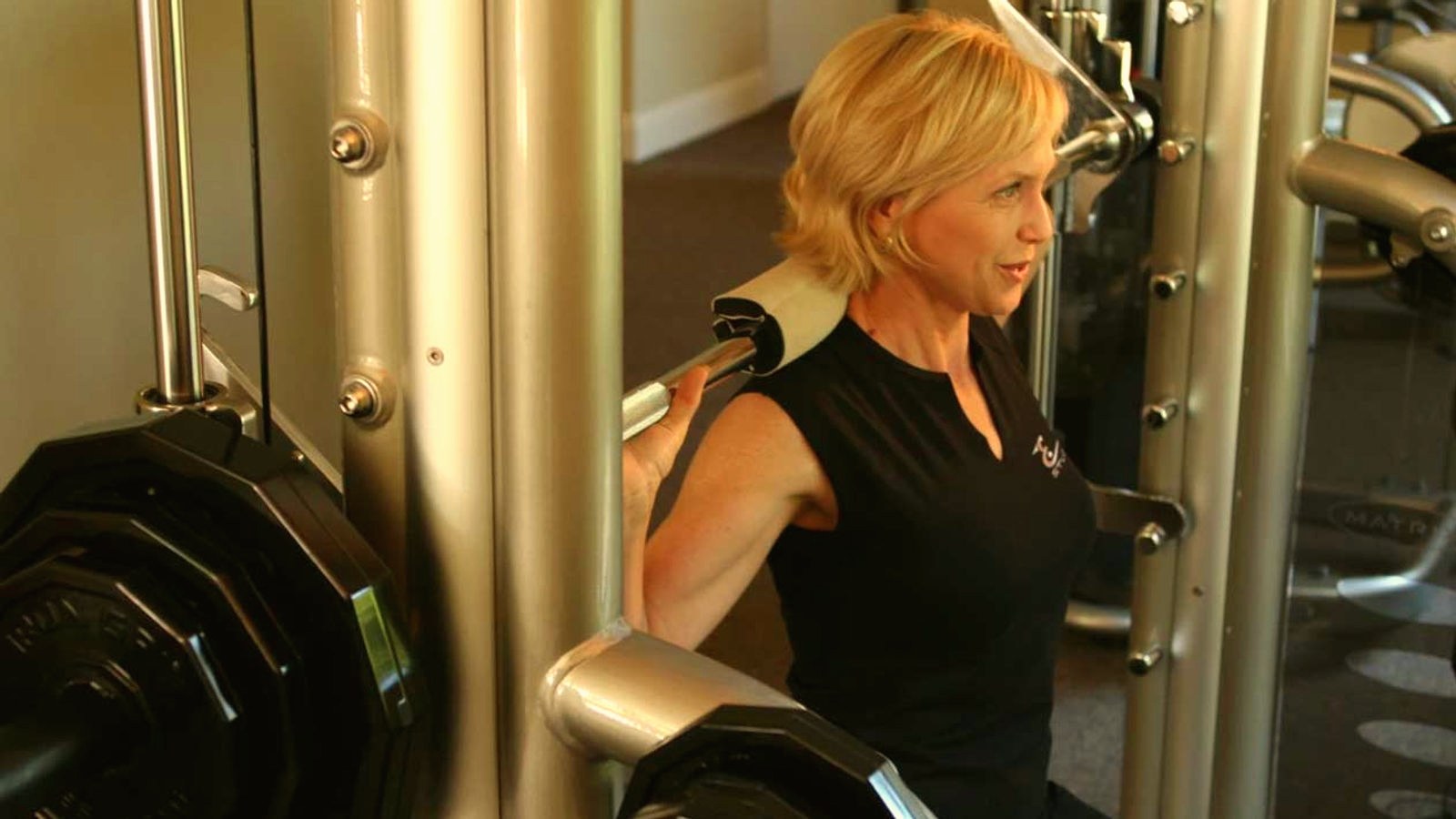
One session to feel it.
Discuss your concerns with one of our seasoned trainers. We will walk through your medical history before we touch a machine. No obligation, no pressure, no contract.
Book your free session →