
Senior personal training in Santa Rosa.
E Studio personal training was made for seniors. The SuperSlow method originated during an osteoporosis project, which laid the correlation between strength training and bone density. Our one-on-one, slow-motion strength training program is designed for adults aged 60 to 90, delivering a 30-minute supervised session, once a week, in a private downtown Santa Rosa studio at 621 Humboldt St.
- ✔ Strength training is the most-evidenced longevity intervention. Slow-motion delivery makes it joint-safe.
- ✔ Thirty minutes, once a week, supervised one-on-one. No wasted time. No wear and tear.
- ✔ Many of our clients started after 60 and are still training fifteen-plus years later. In it for the long-haul.
Sarcopenia is the
real problem.
After 60, the body loses muscle and bone faster than it builds them. Sarcopenia, the gradual loss of muscle mass, is now considered one of the strongest predictors of falls, fractures, and loss of independence. The single most evidenced intervention is supervised resistance training. Building muscle matters at every age, and especially after 60.
The Mayo Clinic's overview of strength training echoes what we see on the floor: stronger seniors fall less, recover faster, and stay independent longer.
At E Studio, we have been training clients into their 80s and 90s since we opened in 2005. Our deep dive on SuperSlow training for seniors walks through exactly how the method is adapted for older adults.
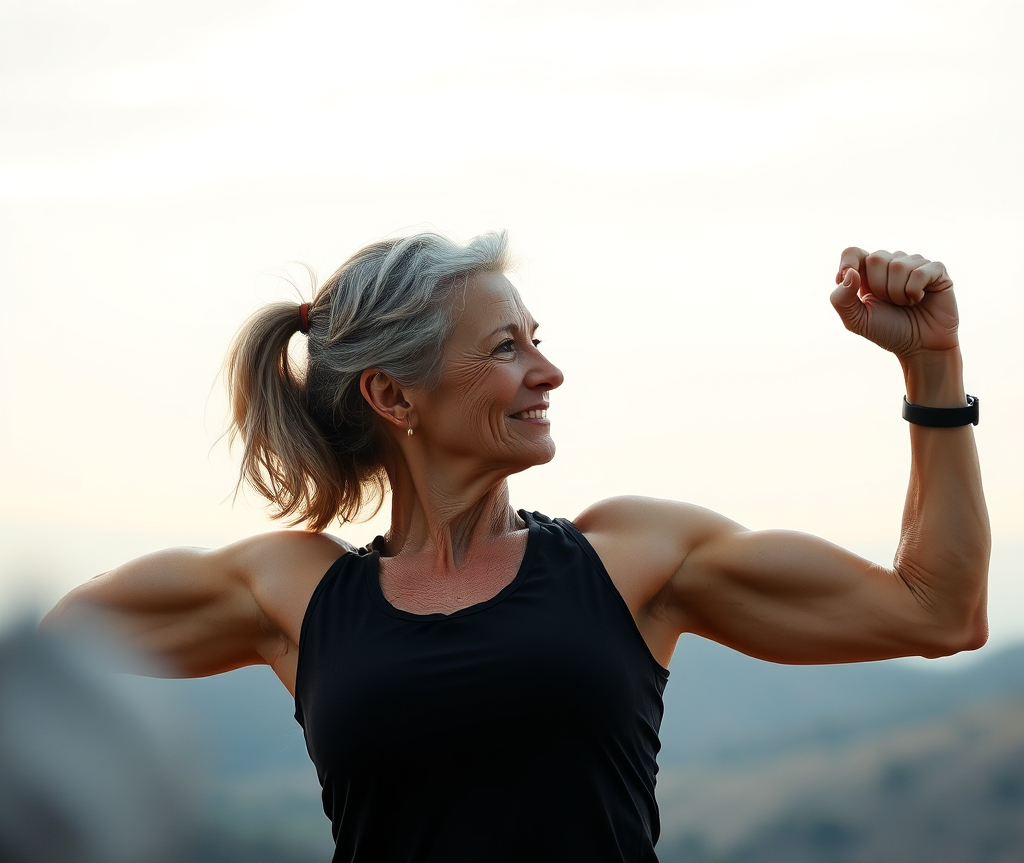
Real, measurable change
without the wear and tear.
- i.Reduced fall risk through stronger legs, hips, and core.
- ii.Improved bone density via mechanical loading, without high-impact movement.
- iii.Better posture and stronger muscles, means easier stairs and curbs.
- iv.Cardiovascular benefit without the risk of joint damage from traditional treadmill work. More on heart health for older adults.
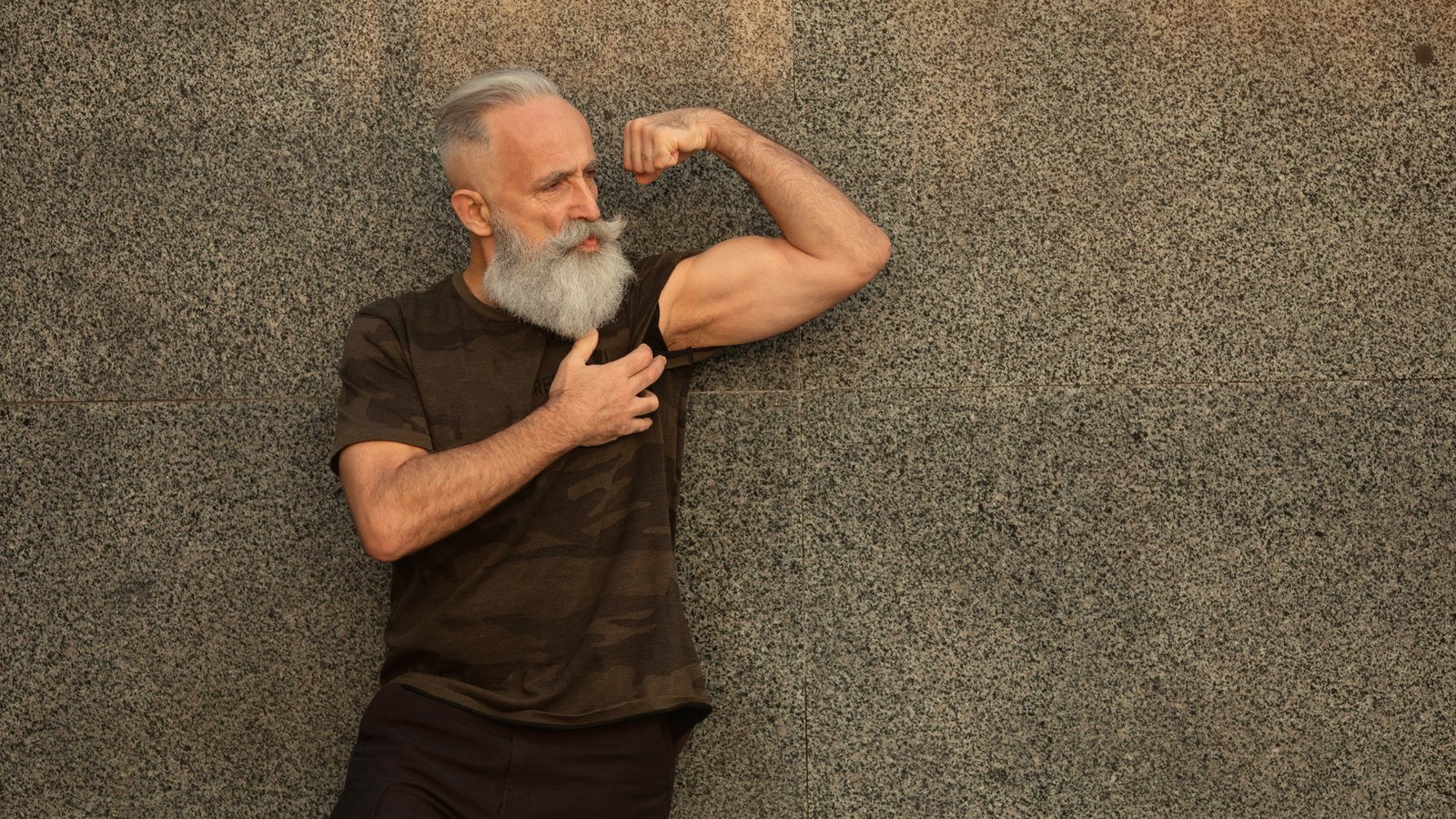
SuperSlow benefits, for seniors.
As we age, maintaining physical fitness becomes increasingly important for overall health and quality of life. However, traditional high-impact workouts may not be suitable for everyone, especially seniors. Fortunately, SuperSlow training may be the perfect fit because it emphasizes slow, controlled movements to build strength safely and effectively.
SuperSlow benefits include:
- Enhanced Safety. The slow, controlled movements reduce the risk of injury by minimizing force on the joints and place the effort on the muscles, making it an ideal option for seniors.
- Improved Muscle Strength. The increased time under tension leads to significant strength gains, which is crucial for seniors to maintain independence and perform daily activities with ease.
- Better Balance and Stability, Strengthening muscles through SuperSlow training can improve balance, which can reduce the risk of falls.
- Efficient Workouts, Sessions are typically shorter, often lasting just 20-30 minutes, and can be done once a week, making it easier to fit into busy schedules.
- Stronger Bones. The SuperSlow method was born out of an osteoporosis project, and was shown to improve bone density. This is vital in preventing osteoporosis-related fractures.
- Enhanced Cardiovascular Health, Strength training can help lower blood pressure, cholesterol levels, heart rate and improve circulation, contributing to better heart health.
- Improved Insulin Sensitivity, Regular resistance training can enhance the body's ability to regulate blood sugar levels, reducing the risk of type 2 diabetes.
- Mental Health Benefits, Engaging in regular exercise, such as SuperSlow training, can boost mood, reduce symptoms of depression, and improve cognitive function.
Senior training FAQ.
The most common questions we hear from clients in their 60s, 70s, and 80s.
Book your free session →Is strength training safe at 70 or 80?
What if I have arthritis or joint pain?
How often will I need to come in?
Will it help with falls and balance?
Do I need to be in shape to start?
Specialized senior programs.
The most evidenced non-pharmaceutical intervention for bone density.
Osteoporosis training →Strength training is one of the most evidenced interventions for chronic back pain.
Back pain training →A clinic-grade bridge between physical therapy discharge and self-directed training.
Post-PT training →
Try one session.
Discuss your goals with a trainer who has worked with seniors for years, in a calm private studio. No obligation, No pressure. The best way to experience the difference.
Book your free session →