Most adults know that sleep matters, but few realize how strongly their workouts influence the quality of rest they get each night. The wrong kind of training can leave you wired, sore, or recovering for days. The right kind helps your nervous system settle, your muscles repair, and your body fall into deeper, more restorative sleep.
For people in Santa Rosa and across Sonoma County juggling careers, family, and the everyday demands of midlife, sleep is one of the most important pieces of long-term health. And strength training, done correctly, is one of the most underrated tools for getting more of it.
That's where slow-motion strength training stands out. It delivers a strong stimulus for muscle and metabolic health without flooding the nervous system, so the recovery happens overnight instead of dragging into the next morning.
Why Sleep and Strength Are More Connected Than People Think
Sleep is when the body does most of its repair work. Muscle tissue rebuilds, hormones rebalance, the nervous system resets, and memory consolidates. Without enough quality sleep, the benefits of any workout shrink fast.
Strength training affects sleep in three main ways:
It increases the amount of slow-wave (deep) sleep, the most restorative stage
It helps regulate cortisol, the stress hormone that keeps people awake at night
It improves overall sleep efficiency, meaning more of your time in bed counts as real rest
The catch is that not all training produces the same sleep benefit. Long, high-volume gym sessions or aggressive cardio close to bedtime can have the opposite effect, raising heart rate and cortisol when the body should be winding down.
What the Research Says
Studies on resistance training and sleep show that adults who lift weights regularly fall asleep faster, wake up less often, and report better sleep quality than those who don't. The effect is strongest when the training is intense enough to challenge the muscles but short enough to allow the nervous system to recover.
This is exactly the profile of a slow-motion strength session: short, focused, controlled, and finished long before the body needs to wind down for sleep.
How Slow-Motion Strength Training Supports Better Sleep
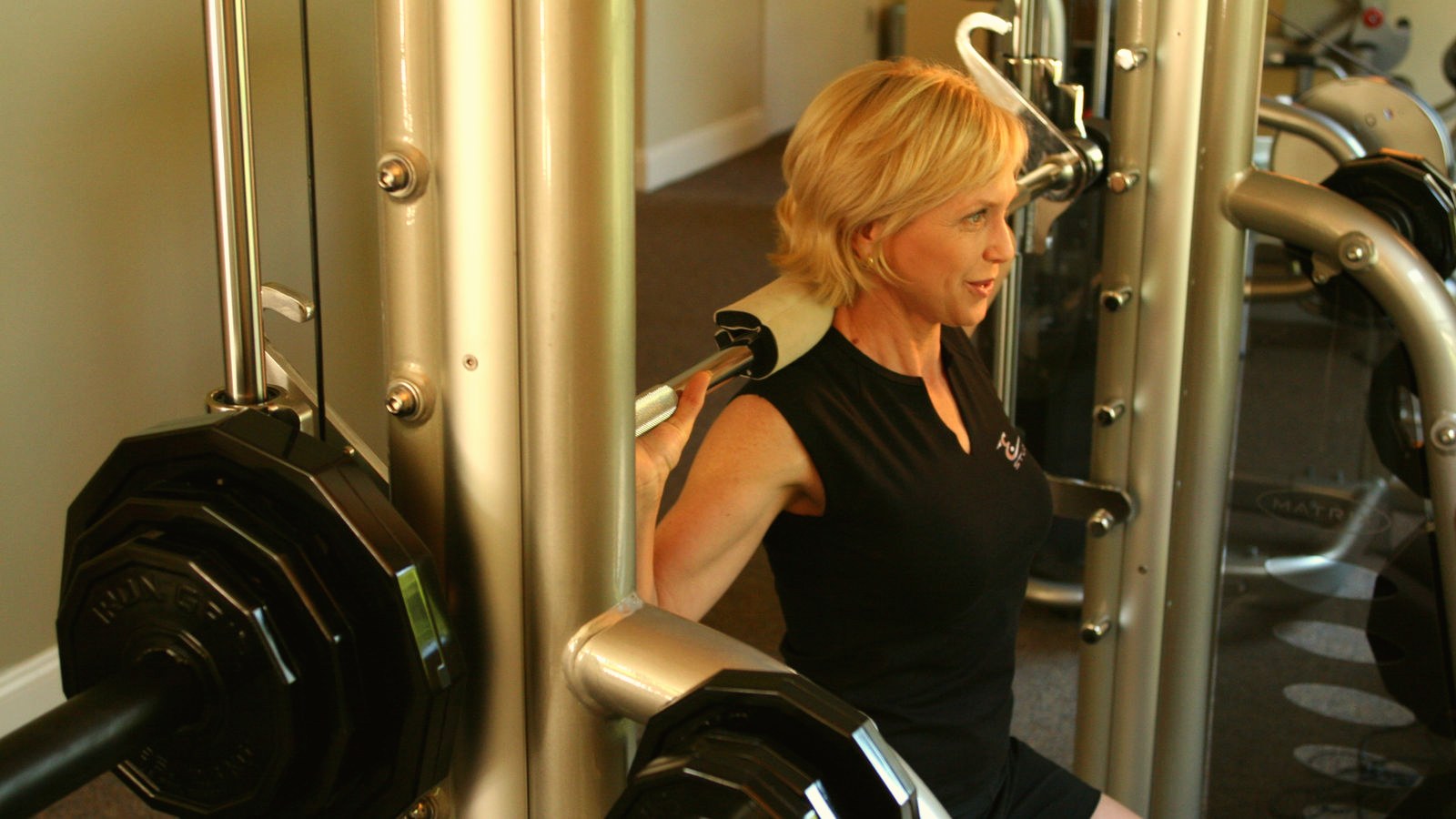
Slow-motion strength training is built around very slow, controlled lifting and lowering, with deliberate form and reduced momentum. A typical session at E Studio runs about 30 minutes, once a week, with a trainer watching every repetition.
Here is why that format is friendly to sleep:
Short total duration: The body is not flooded with hours of stress hormones the way it can be after a long workout
High muscular engagement, low impact: Joints, tendons, and connective tissue are not pounded, so the body recovers faster
Controlled tempo: There are no explosive movements that spike the sympathetic nervous system
One session a week: Plenty of recovery time between sessions, so sleep is not constantly competing with workout fatigue
What Clients Notice
Many E Studio clients in Santa Rosa report better sleep within the first few weeks of starting. Common observations include:
Falling asleep faster the night after a session
Waking up fewer times during the night
Feeling more physically tired in a healthy way, rather than wired
Less middle-of-the-night joint stiffness
More energy in the morning, even on non-training days
These are not promises, but they are common enough to be worth noting.
The Hormone Connection: Why This Matters After 40
Hormones shift as adults age. Growth hormone, testosterone, and the body's general repair capacity all decline. Sleep becomes lighter, shorter, and more fragmented. This is a common complaint from clients in their 40s, 50s, and 60s.
Strength training is one of the few interventions that pushes back on this trend. Specifically, it:
Triggers a meaningful release of growth hormone in the hours after training
Supports healthy testosterone levels in both men and women
Improves insulin sensitivity, which helps regulate blood sugar overnight
Reduces nighttime cortisol spikes that fragment sleep
For midlife adults, building muscle through controlled resistance is a quiet, consistent way to protect the hormonal environment that makes deep sleep possible.
The science behind this connects to muscle quality and longevity. This guide explains how SuperSlow training helps maximize musclespan and overall function as adults age. [link to /blog/the-science-of-musclespan-how-superslow-training-helps-maximize-longevity/]
The Nervous System Side of the Story
There is also a calming effect that comes from a well-supervised strength session. Many clients describe leaving the studio feeling alert but settled, as though a layer of stress was lifted.
That settling is the parasympathetic nervous system, the part of the body responsible for rest, digestion, and recovery. A short, focused workout in a quiet, controlled environment helps the body shift into that mode.
This is one of the reasons clients often book their session on a busy day rather than a light one. The training acts as a reset.
A Typical Sleep-Friendly Week in Sonoma County
Imagine a busy Santa Rosa adult who:
Works long hours at a desk
Walks the dog in the morning
Hikes a Sonoma County trail on weekends
Has trouble winding down at night
Adding one weekly slow-motion strength session can shift the entire week. The training challenges the muscles, supports hormonal recovery, and helps the nervous system calm down. The walking and hiking become more enjoyable because the body feels stronger. Sleep gets deeper because the body has done meaningful work and is genuinely ready to rest.
The change is small in time commitment, 30 minutes once a week, but the ripple effects show up in everything else.
Practical Tips to Get the Most Sleep Benefit From Strength Training
If you want to use strength training as a sleep tool, a few small adjustments help:
Train earlier in the day if possible, though slow-motion sessions are gentle enough on the nervous system that evening training works for most people too
Stay hydrated, dehydration is a sneaky cause of poor sleep
Eat enough protein, the body needs raw material to repair muscle overnight
Be consistent week to week, the benefits compound over months, not days
Get morning sunlight when possible, this anchors the body's circadian rhythm and amplifies the sleep benefit of training
A trained professional can also help you stay within the right intensity zone, neither too easy to be effective nor too hard to recover from. Learn why supervised training matters for safe progress. [link to /blog/why-safety-matters-in-strength-training-the-role-of-a-personal-trainer/]
Take the First Step Toward Stronger Days and Deeper Nights
If you are tired of waking up exhausted, struggling to fall asleep, or dragging through the afternoon, the answer may not be more sleep aids. It may be the right kind of strength training, done in the right amount, at the right tempo.
E Studio Personal Training in downtown Santa Rosa specializes in slow-motion, joint-friendly, supervised sessions designed for real-life adults. Thirty minutes once a week, in a private studio with no more than four people at a time, gives the body what it needs to build strength and recover overnight.
Start your free trial with one of our certified trainers in Santa Rosa, CA, and feel the difference one well-designed session can make.
FAQ
1. Will strength training keep me awake if I work out in the evening?
Long, high-intensity gym sessions can disrupt sleep when done close to bedtime, but a 30-minute slow-motion session is gentle enough on the nervous system that most people can train in the evening without any impact on sleep. Some clients actually sleep better after evening sessions.
2. How quickly will I notice better sleep?
Many E Studio clients notice changes within the first two to four weeks. Falling asleep faster is usually the first sign, followed by fewer nighttime wake-ups and more morning energy.
3. Is one session a week really enough to affect sleep?
Yes. The intensity of a properly run slow-motion session is high enough to trigger the hormonal and recovery responses that improve sleep, while the once-weekly frequency leaves the nervous system plenty of time to recover.
4. What if I already have insomnia or a sleep disorder?
Strength training is not a replacement for medical care for serious sleep disorders, but it can be a helpful complement. Many clients with chronic sleep issues report meaningful improvements alongside whatever care they already receive.
5. Can older adults benefit from this as much as younger adults?
Older adults often benefit even more. Sleep tends to become lighter and more fragmented with age, and strength training is one of the most effective tools for protecting the hormonal and metabolic systems that support deep, restorative rest.